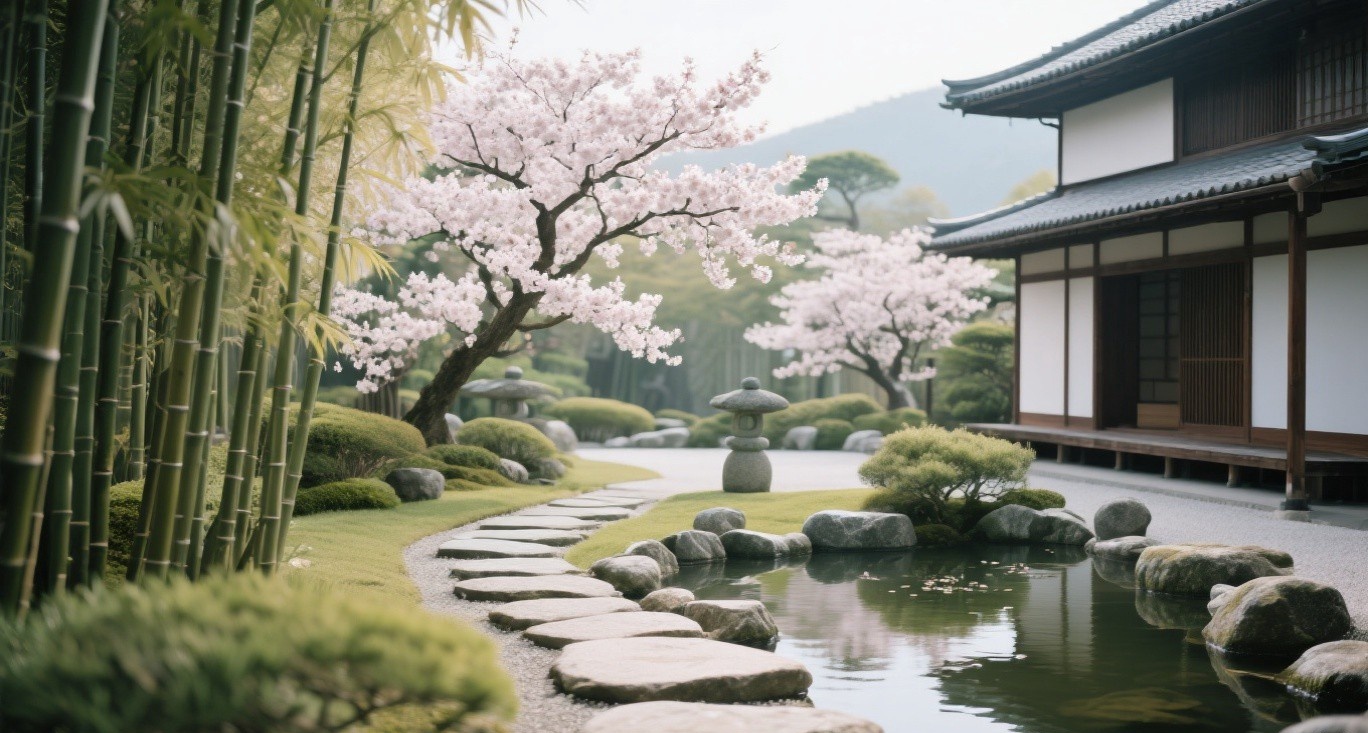
Where April Theory Meets Japanese Wisdom
Japan has mastered the art of seasonal renewal for centuries. From hanami (cherry blossom viewing) to osouji (spring cleaning), Japanese culture treats spring as a sacred time for fresh starts. April Theory's philosophy aligns remarkably well with Japanese principles of gradual improvement, mindfulness, and harmony with nature.
Here are 10 Japanese-inspired practices that can supercharge your April Theory transformation.
1. Kaizen: Continuous Small Improvement
What it means: Kai (change) + zen (good) = change for the better. Kaizen is the philosophy of making tiny, continuous improvements rather than dramatic overhauls.
How to apply in April:
- Improve one habit by just 1% daily
- Add one healthy food to your diet each week
- Read 5 more pages than yesterday
- Walk 2 minutes longer than last time
The compound effect of 1% daily improvement means you'll be 37 times better in one year. April is the perfect starting point because spring's energy makes small improvements feel natural and effortless.
2. Shinrin-Yoku: Forest Bathing
What it means: Immersing yourself in the atmosphere of the forest. Research shows shinrin-yoku reduces cortisol by 16%, lowers blood pressure, and boosts immune function.
How to practice this spring:
- Spend 20+ minutes in a park or wooded area
- Walk slowly without a destination
- Leave your phone behind
- Focus on what you see, hear, smell, and feel
- Breathe deeply and intentionally
Spring forests are especially powerful — new leaves release phytoncides that boost your immune system.
3. Ichigo Ichie: One Moment, One Meeting
What it means: Every encounter is unique and will never happen exactly the same way again. This concept encourages full presence and appreciation.
April Theory application:
- Be fully present in every conversation this spring
- Put your phone away during meals with loved ones
- Appreciate each spring day as unrepeatable
- Notice the small changes in nature daily
4. Danshari: Decluttering for Freedom
What it means: Dan (refuse), sha (dispose), ri (separate). The art of letting go of what no longer serves you.
Spring decluttering plan:
- Week 1: Clothing — donate anything not worn in 12 months
- Week 2: Digital files — delete unused apps, photos, and emails
- Week 3: Kitchen — remove expired food and unused gadgets
- Week 4: Mind — release grudges, limiting beliefs, and toxic relationships
A clean space creates mental clarity that amplifies every other April Theory practice.
5. Wabi-Sabi: Finding Beauty in Imperfection
What it means: Accepting imperfection and transience as part of beauty. Spring cherry blossoms embody this — they're beautiful precisely because they don't last.
How this transforms your April Theory:
- Stop waiting for perfect conditions to start
- Accept that progress will be messy and non-linear
- Celebrate small wins instead of fixating on gaps
- View setbacks as part of the process, not failures
6. Hara Hachi Bu: Eat Until 80% Full
What it means: The Okinawan practice of stopping eating when you're 80% full. Okinawans have one of the world's highest life expectancy rates.
Spring nutrition application:
- Serve yourself smaller portions
- Eat slowly and mindfully
- Focus on seasonal spring vegetables
- Stop when you feel satisfied, not stuffed
- Appreciate the flavors and textures of each meal
7. Mottainai: Waste Nothing
What it means: A sense of regret over waste. An appreciation for the resources and effort behind everything.
April Theory application:
- Audit your spending — where is money going that doesn't serve you?
- Use your time intentionally — time is the ultimate non-renewable resource
- Repurpose before replacing
- Express gratitude for what you have before wanting more
8. Shoganai: Accepting What Cannot Be Changed
What it means: "It cannot be helped." Not resignation, but wise acceptance of things beyond your control.
Mental health benefits for spring:
- Release anxiety about things you can't control
- Focus energy only on your sphere of influence
- Accept winter's setbacks without judgment
- Move forward with what you can change today
9. Nemawashi: Groundwork Before Action
What it means: Preparing the ground before planting. Laying the foundation before making changes.
April Theory planning:
- Spend the first week of April preparing before taking action
- Research before committing to new habits
- Build support systems before starting challenges
- Create your environment for success before demanding results
10. Hanami: Cherry Blossom Viewing as Metaphor
What it means: The practice of appreciating cherry blossoms — a reminder that beauty is fleeting and should be cherished.
Living philosophy:
- Appreciate each phase of your April Theory journey
- Don't rush to the destination — enjoy the path
- Celebrate progress, not just completion
- Remember that every season of life has its own beauty
Your Japanese-Inspired April Theory Plan
Week 1: Foundation (Kaizen + Nemawashi)
- Choose 2-3 areas to improve
- Prepare your environment
- Start with 1% improvements
- Practice shinrin-yoku twice
Week 2: Decluttering (Danshari + Mottainai)
- Clear physical and digital clutter
- Audit spending and time usage
- Practice hara hachi bu with meals
- Apply ichigo ichie in conversations
Week 3: Mindset (Wabi-Sabi + Shoganai)
- Accept imperfection in your progress
- Release what you can't control
- Practice gratitude daily
- Continue small improvements
Week 4: Appreciation (Hanami + Ichigo Ichie)
- Celebrate your spring transformation
- Appreciate the journey, not just results
- Share your experience with others
- Plan your continued growth
The Japanese Secret to Lasting Change
Japanese culture understands something that Western goal-setting often misses: lasting transformation comes from harmony with nature, not domination of it. April Theory works best when we stop fighting against our circumstances and start flowing with the season's natural energy.
By combining April Theory's spring reset with Japanese wisdom, you create a framework for change that is:
- Gentle (kaizen, wabi-sabi)
- Sustainable (hara hachi bu, mottainai)
- Grounded (shinrin-yoku, nemawashi)
- Present (ichigo ichie, hanami)
- Resilient (shoganai)
This spring, let Japanese wisdom guide your April Theory journey. Small steps, taken mindfully, lead to extraordinary transformation. 🌸